




Jindal Stainless World

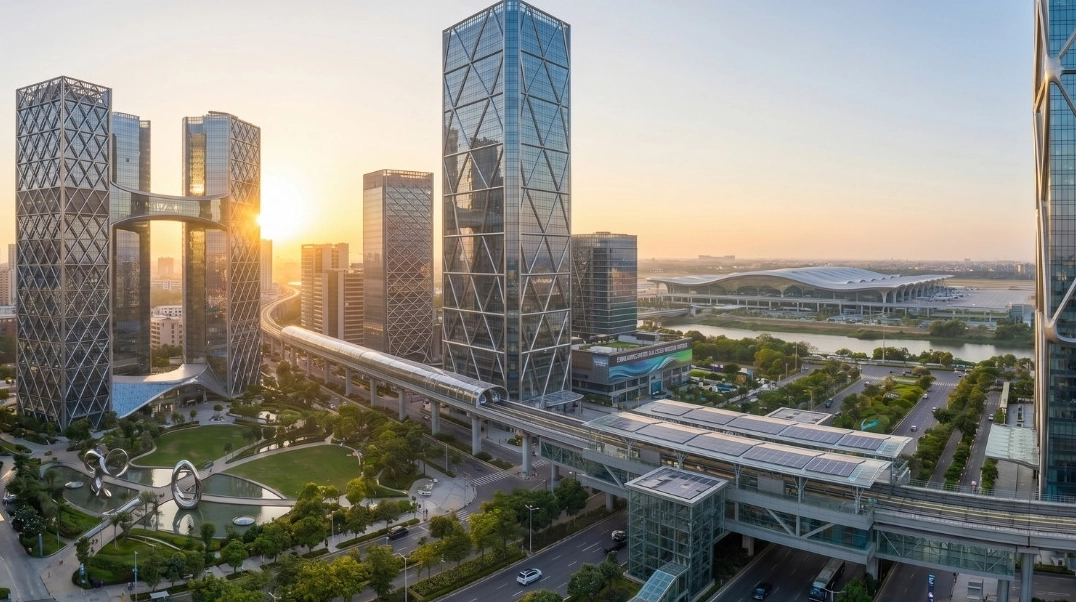
India’s cities are changing faster than ever. New metro lines, modern airports, smart city projects, commercial spaces, and upgraded public infrastructure are becoming a part of everyday urban life. As cities grow, the focus is no longer just on building faster; it’s about building smarter, stronger, and more sustainably.
This shift has also changed the way developers and urban planners choose construction materials. Today, stainless steel is playing a major role in modern infrastructure because it offers durability, clean aesthetics, low maintenance, and long-term value. From transportation systems to public spaces, stainless steel has become an important part of India’s urban transformation story.
India is currently witnessing a massive infrastructure push across urban regions. Government initiatives, rapid urbanization, and rising investments are driving the development of modern cities and public spaces.
The Smart Cities Mission has encouraged cities to become more efficient, connected, and sustainable. Whether it is smart mobility, public amenities, or modern civic infrastructure, demand for durable, future-ready materials has increased significantly.
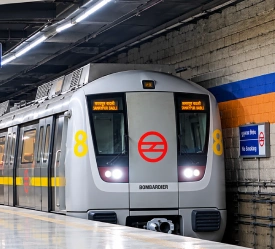
Metro rail projects in cities such as Delhi, Mumbai, Bengaluru, Hyderabad, and Pune are transforming urban transportation. Stainless steel is widely used in metro stations, railings, platforms, and interiors because it can handle heavy public use while maintaining its appearance for years.
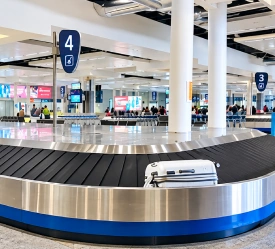
India’s airports are becoming more modern, passenger-friendly, and design-focused. Stainless steel is commonly used in airport terminals for cladding, seating, handrails, and structural elements because of its sleek finish and long-lasting performance.
The rise of residential townships, office spaces, malls, and mixed-use developments has increased the need for materials that combine functionality with aesthetics. Stainless steel fits perfectly into modern architectural designs while offering reliability and strength.
From pedestrian bridges and bus terminals to public parks and sanitation systems, infrastructure upgrades are happening across Indian cities. Stainless steel is helping improve the durability and visual appeal of these public spaces.
Stainless steel is no longer seen as just a premium material. It has become a practical and dependable choice for infrastructure projects that demand long-term performance.
One of the biggest advantages of stainless steel is its ability to withstand harsh environmental conditions. It resists corrosion, moisture, pollution, and temperature changes, making it highly suitable for Indian cities.
Infrastructure projects require materials that can last for years without constant repairs or maintenance. Stainless steel reduces maintenance efforts and costs because it does not easily rust, crack, or deteriorate over time.
As sustainability becomes a priority in urban development, stainless steel offers an eco-friendly solution. It is fully recyclable and supports green building practices, making it a preferred material for sustainable infrastructure projects.
Modern infrastructure is expected to look as good as it performs. Stainless steel gives a clean, contemporary appearance that enhances the overall design of airports, metro stations, commercial buildings, and public spaces.
Stainless steel offers excellent structural strength and reliability. Its ability to handle heavy loads and high traffic makes it ideal for transportation infrastructure and public-use environments.
Stainless steel is now used across a wide range of urban infrastructure applications in India.
Metro stations, airports, railway platforms, bus terminals, and pedestrian walkways all use stainless steel extensively. It is commonly seen in railings, structural supports, escalators, seating systems, and cladding applications.
Smart city developments use stainless steel in street furniture, urban fixtures, public installations, signage systems, and mobility infrastructure because of its durability and modern look.
Stainless steel is highly effective in water treatment plants, pipelines, drainage systems, and sanitation infrastructure due to its corrosion resistance and hygienic properties.
From façades and elevators to balconies and decorative elements, stainless steel is widely used in residential and commercial construction for both functionality and design enhancement.
Hospitals, educational institutions, parks, and public facilities prefer stainless steel because it is easy to clean, hygienic, and built to last in high-usage environments.
Developers and urban planners are increasingly choosing stainless steel because it offers long-term value rather than just short-term performance.
Its durability reduces replacement costs, while its low maintenance needs make it economical over time. In addition, stainless steel aligns well with sustainable construction goals and modern architectural designs.
For public infrastructure projects where safety, appearance, and lifecycle costs matter equally, stainless steel has become a reliable and future-ready solution.
Jindal Lifestyle continues to contribute to India’s growing infrastructure sector through advanced stainless steel fabrication and engineering solutions.
Jindal Lifestyle brings extensive experience in stainless steel fabrication for infrastructure and large-scale commercial applications, delivering solutions that combine quality with durability.
The company supports a wide range of urban projects, including transportation infrastructure, public spaces, commercial developments, and institutional applications.
With strong engineering and manufacturing capabilities, Jindal Lifestyle develops stainless steel solutions designed to meet the performance demands of modern infrastructure projects.
By focusing on innovation, precision manufacturing, and sustainable practices, Jindal Lifestyle helps create infrastructure solutions designed for long-term urban development.
India’s infrastructure landscape is evolving rapidly, and the materials used in these projects are evolving too. Today, stainless steel has become an essential part of modern urban development because it offers the perfect balance of durability, sustainability, safety, and design.
Whether it is metro systems, airports, commercial spaces, public infrastructure, or smart city projects, stainless steel is helping shape cities that are more resilient and future-ready.
With its expertise in stainless steel fabrication and infrastructure solutions, Jindal Lifestyle is playing an important role in supporting India’s urban growth journey.
Stainless steel is preferred for urban infrastructure because it offers high durability, corrosion resistance, low maintenance, and long-term cost efficiency. It can withstand heavy public usage and harsh environmental conditions while maintaining its strength and appearance, making it ideal for modern infrastructure development across Indian cities.
Stainless steel supports smart city infrastructure by providing durability, sustainability, and modern aesthetics. It is widely used in urban fixtures, transportation systems, public utilities, and civic spaces because it requires minimal maintenance and aligns well with future-ready, sustainable urban development goals.
Yes, stainless steel is highly suitable for Indian weather conditions. It performs well in humid, coastal, polluted, and high-temperature environments due to its corrosion-resistant properties. This makes it a reliable material choice for infrastructure projects across different regions of India.
Stainless steel reduces maintenance costs because it does not rust, crack, or deteriorate easily over time. Unlike conventional materials, it requires fewer repairs, replacements, and surface treatments, helping infrastructure developers save significantly on long-term operational and maintenance expenses.
Jindal Lifestyle provides advanced stainless steel fabrication and engineering solutions for commercial, public, and urban infrastructure projects. The company supports transportation infrastructure, institutional developments, public spaces, and modern architectural applications with a strong focus on quality, innovation, durability, and sustainability.

 Stainless Centre, Plot No.50,

